

Ezetimibe and bempedoic acid are two oral, non-statin options for lowering LDL cholesterol in patients who can't tolerate statins. Both reduce heart risk and come with different costs, side effects, and effectiveness levels.
CONTINUE READING
Learn the key differences between acute and chronic diarrhea, when to use antimotility drugs like loperamide, and what to do when diarrhea won’t go away. Get real guidance on diagnosis, treatment, and when to see a doctor.
CONTINUE READING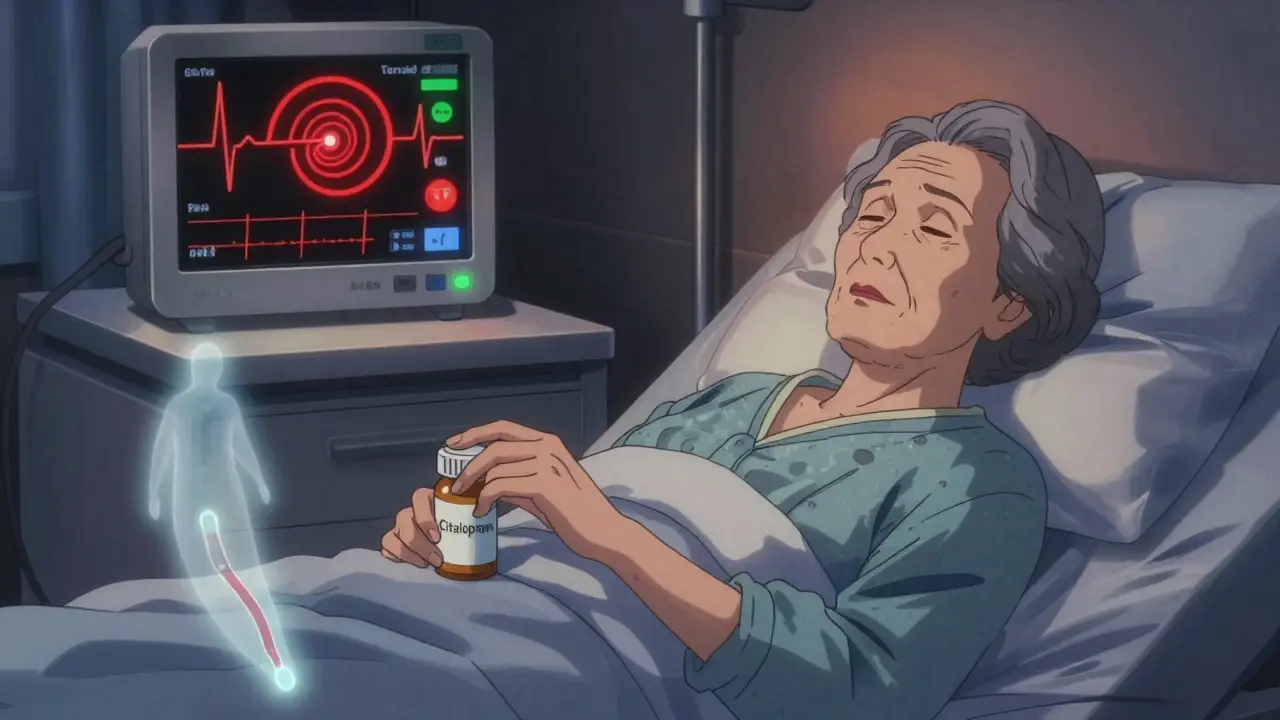
Torsades de Pointes is a rare but deadly heart rhythm caused by QT-prolonging medications. Learn how to recognize the warning signs, which drugs are most dangerous, and how to prevent this life-threatening reaction with simple, proven steps.
CONTINUE READING
Desensitization protocols allow patients with severe drug allergies to safely receive life-saving medications like antibiotics or chemotherapy. Learn when this high-success-rate procedure is used, how it works, and who should avoid it.
CONTINUE READING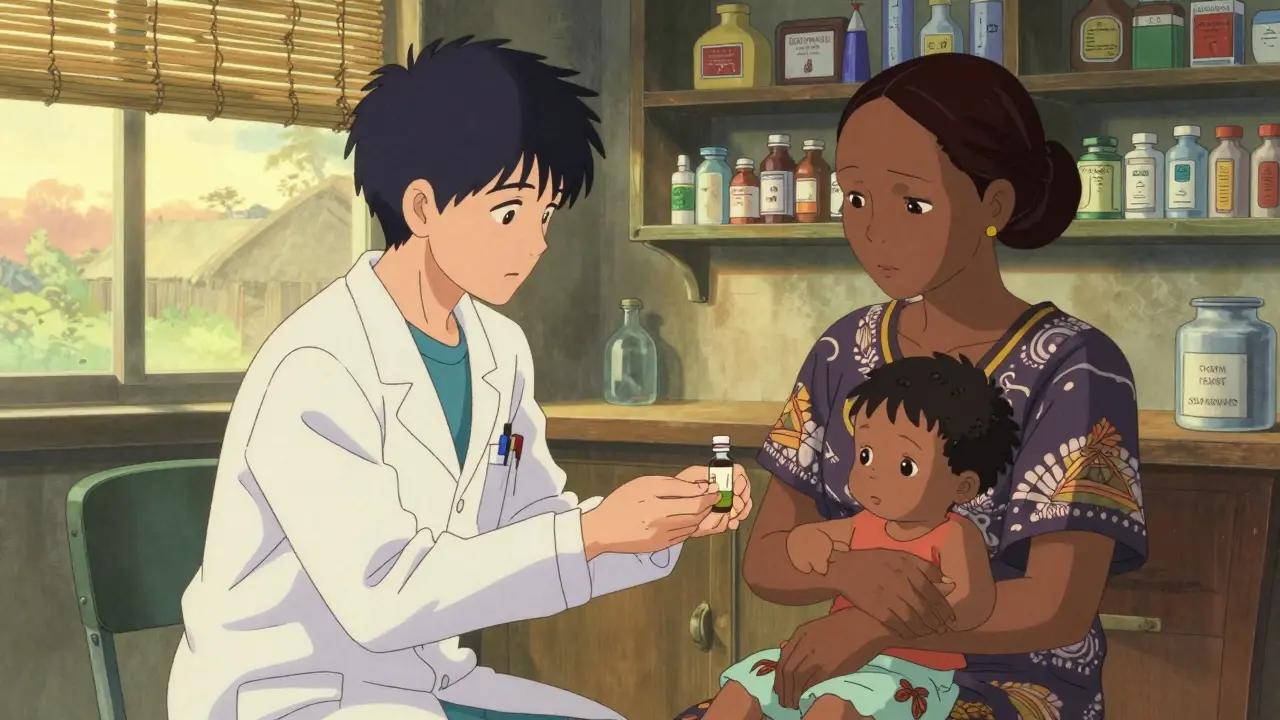
Generics can cut medicine costs by 80%, yet millions in low-income countries still can't access them. This is why-broken supply chains, taxes, and lack of investment are blocking affordable drugs from reaching the people who need them most.
CONTINUE READING
The FDA's 2025 update to biosimilar approval rules removes routine clinical trials, cutting development time and costs. Learn how biosimilars differ from generics, how they're reviewed, and why this change could save billions.
CONTINUE READING
FeNO testing measures exhaled nitric oxide to detect airway inflammation in asthma. It helps confirm diagnosis, guide treatment, and predict flare-ups - offering objective data when symptoms aren’t enough.
CONTINUE READING
Generic drugs save patients up to 85% on medication costs and are just as safe and effective as brand-name versions. Learn when generics work, when to be cautious, and how to make smart choices.
CONTINUE READING
Discover how your genes affect how your body processes medications. Learn which drugs are influenced by genetics, who benefits most from testing, and why pharmacogenomics is changing personalized medicine.
CONTINUE READING
MedWatch is the FDA's system for collecting safety reports on drugs, devices, and other medical products. Learn how it works, who reports, why underreporting is a problem, and how your report can help save lives.
CONTINUE READING
Many dangerous drug interactions are only found after drugs are already on the market. Learn how post-market surveillance catches hidden risks, why clinical trials miss them, and what you can do to protect yourself.

ACE inhibitors and ARBs are the cornerstone of diabetic nephropathy treatment, reducing proteinuria and slowing kidney damage. Yet many patients receive suboptimal doses or are never started on them at all. Learn why full dosing matters and how to avoid common mistakes.

Migraine headaches are more than just bad headaches-they're a neurological condition triggered by stress, sleep changes, hormones, food, and environment. Learn how to identify your triggers, use preventive meds, and treat attacks early for better control.
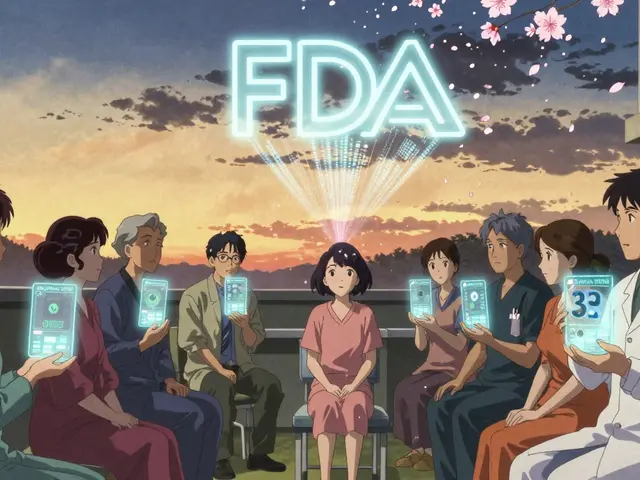
Learn how to report dangerous drug side effects to the FDA's MedWatch system. Step-by-step guide for patients and providers on filling out forms, what to include, and why your report matters.

Counterfeit generics are a growing global threat, with fake pills laced with fentanyl and toxic chemicals. Learn how to spot online scams, verify legitimate pharmacies, and protect yourself from dangerous counterfeit medications.




© 2026. All rights reserved.