
Goldenseal Medication Interaction Checker
Check Goldenseal Safety
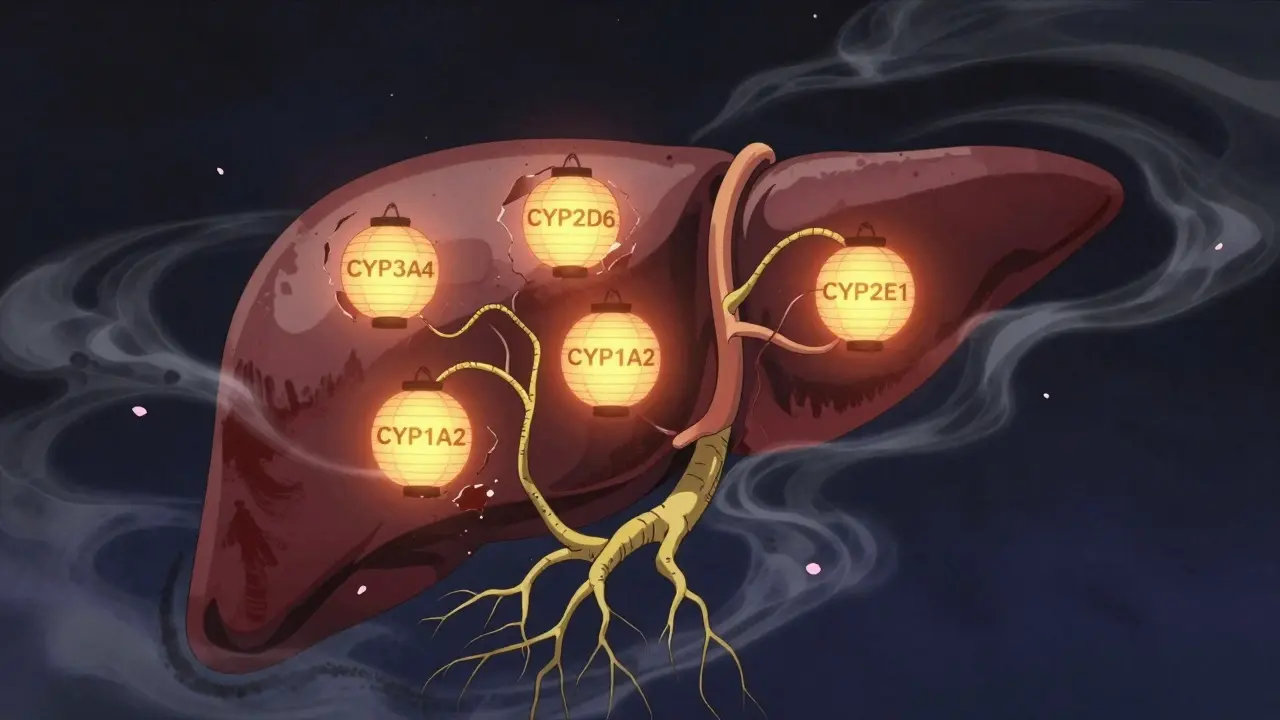
Enter medications you're taking to see if goldenseal could interact with them. Goldenseal affects liver enzymes (CYP3A4, CYP2D6, CYP2C9, CYP1A2, CYP2E1) that process many prescription drugs.
Results
How It Works
Goldenseal contains berberine and hydrastine that inhibit liver enzymes (CYP3A4, CYP2D6, CYP2C9, CYP1A2, CYP2E1) responsible for breaking down many medications. This can cause dangerous drug buildup or reduced effectiveness.
For example, goldenseal can increase blood levels of warfarin by 1.5-2.0 points (INR), leading to bleeding risk, or decrease metformin effectiveness by 25%, raising blood sugar.
Goldenseal is everywhere - in health food stores, online shops, and the medicine cabinets of people trying to boost their immunity. But if you’re taking any prescription medication, this herb might be more dangerous than you think. It doesn’t just sit quietly in your body. It interferes with how your liver processes drugs - and that can lead to serious, even life-threatening side effects.
What Goldenseal Actually Does to Your Liver
Goldenseal comes from the root of a plant native to the eastern U.S. For over a century, people have used it for colds, sinus infections, and digestive issues. But here’s the catch: it’s not a harmless herb. The real problem lies in two compounds - berberine and hydrastine. These alkaloids don’t just fight bacteria. They shut down key enzymes in your liver that are responsible for breaking down most of the medications you take.
These enzymes are part of the cytochrome P450 (CYP) system. Think of them as tiny factory workers that process drugs so your body can eliminate them. About 75% of all prescription medications rely on these enzymes to be safely metabolized. Goldenseal doesn’t just slow down one of them - it slams the brakes on five major ones: CYP3A4, CYP2D6, CYP2C9, CYP1A2, and CYP2E1. That’s rare. Most herbs affect one or two. Goldenseal hits five.
For example, CYP3A4 alone handles half of all prescription drugs - including statins like simvastatin, blood pressure meds like amlodipine, and even anxiety medications like midazolam. When goldenseal blocks CYP3A4, these drugs don’t get broken down. They build up in your bloodstream. That’s not a little extra effect. That’s a dangerous overdose waiting to happen.
Who’s at Risk? The Medications That Can Go Wrong
If you’re taking any of these, goldenseal is not worth the risk:
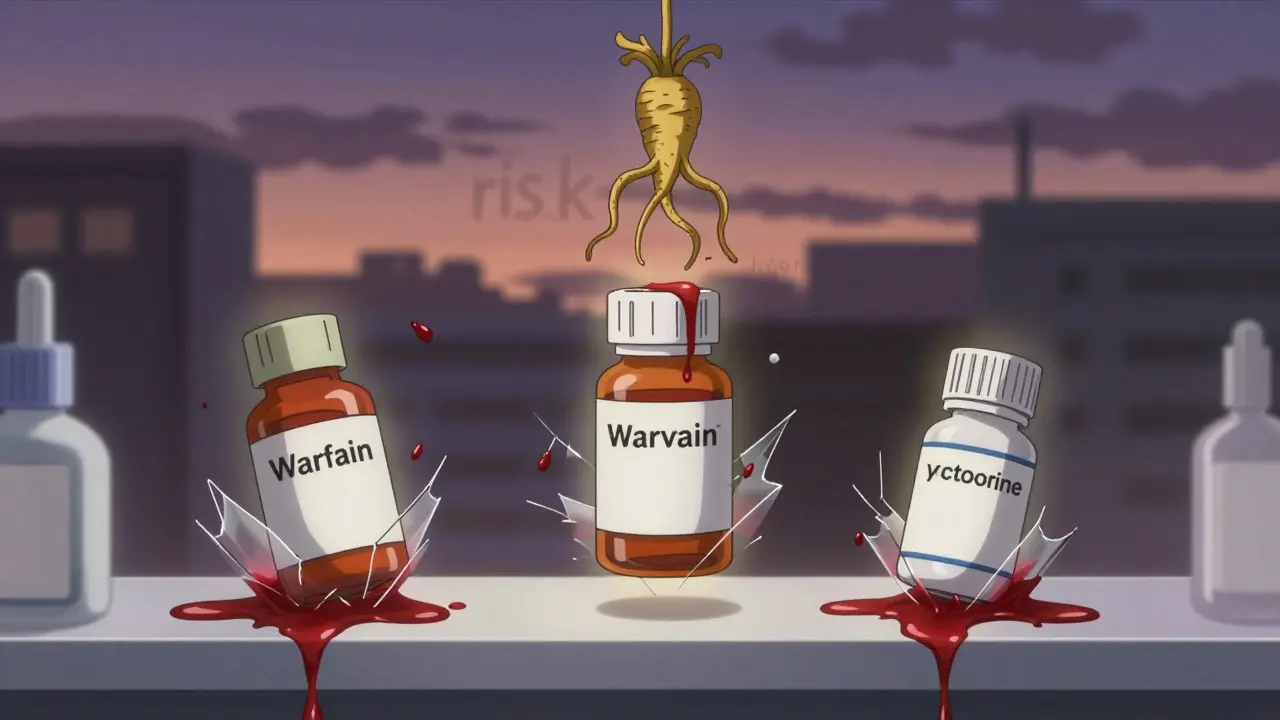
- Warfarin (Coumadin): Goldenseal can spike your INR levels by 1.5 to 2.0 points. That means your blood takes longer to clot. One case study described a patient who nearly bled to death after combining the two.
- Cyclosporine and Tacrolimus: These immunosuppressants are used after organ transplants. Goldenseal can raise their levels by 30-50%. That’s not just risky - it can kill transplanted organs.
- Metformin: Diabetes patients who took goldenseal saw their metformin levels drop by 25%, causing dangerous spikes in blood sugar. One patient’s HbA1c jumped from 6.8% to 8.2% in just four weeks.
- Codeine, Fluoxetine, Metoprolol: These are metabolized by CYP2D6. Goldenseal can increase their concentration by 40-60%. That means more drowsiness, more dizziness, more heart rhythm problems.
- Acetaminophen (Tylenol): Goldenseal inhibits CYP2E1, which is the main enzyme that breaks down acetaminophen. That sounds harmless - until you realize this increases the risk of liver damage from even normal doses.
And here’s the kicker: you might not even know you’re taking a drug affected by these enzymes. Many common medications - like antidepressants, beta-blockers, and antifungals - are processed by CYP2D6 or CYP3A4. If you’re on more than one medication, the odds are high that goldenseal will interfere with at least one of them.
Why Goldenseal Is Worse Than Other Herbs
People often think herbal supplements are safer than pills. That’s a myth. Goldenseal is one of the most dangerous herbs out there - not because it’s toxic, but because of how broadly it disrupts drug metabolism.
St. John’s Wort? It’s bad, but it induces enzymes, which makes drugs work less effectively. Grapefruit juice? It only hits CYP3A4. Goldenseal? It hits five enzymes and also blocks P-glycoprotein - a transporter that controls how drugs enter your cells. That means it doesn’t just affect liver processing. It changes how much of the drug even gets into your bloodstream.
A 2020 review ranked goldenseal as the third most risky herbal supplement for drug interactions - behind only St. John’s Wort and grapefruit juice. But unlike those two, goldenseal doesn’t have a clear, predictable pattern. The amount of berberine in supplements varies wildly - from 0.5% to 8%. One pill might be safe. The next one might be toxic. There’s no way to know.
Real People, Real Consequences
It’s not theoretical. People are getting hurt.
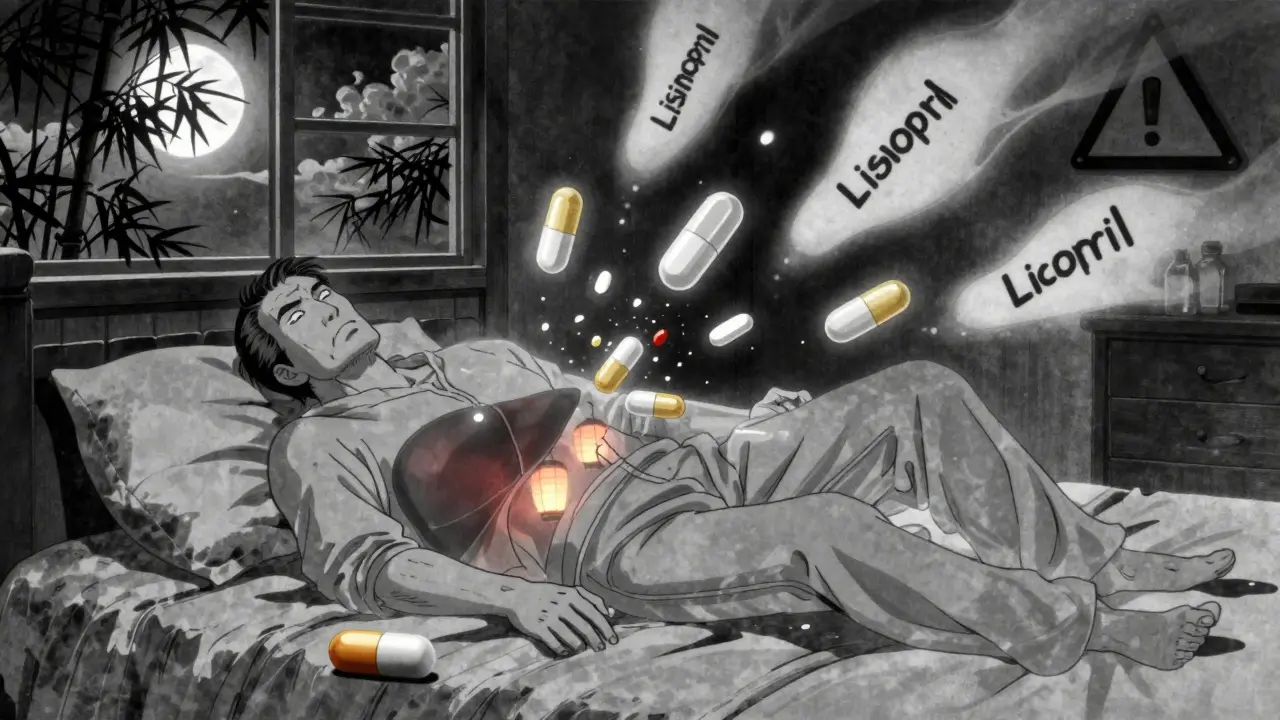
On Reddit, a user named “HypertensionWarrior” reported passing out after taking goldenseal with lisinopril. Their blood pressure crashed to 85/50. They ended up in the ER. Another user, a 68-year-old diabetic, saw their blood sugar spiral out of control. A third, a woman on warfarin, nearly had a stroke because her INR shot up.
Pharmacy Times documented 59 goldenseal-related adverse events reported to the FDA in 2022 - up from 43 in 2018. And those are just the ones that got reported. Most people don’t connect their dizziness, nausea, or high blood sugar to a supplement they took a few days earlier.
Even the manufacturers know something’s off. The FDA sent warning letters to 12 companies in 2021 for claiming goldenseal “treats infections” - a claim that has zero scientific backing. But they still sell it. And people still buy it.
What Should You Do?
If you’re thinking of taking goldenseal, here’s what to do:
- Check every medication you take. Look up whether they’re metabolized by CYP3A4, CYP2D6, CYP2C9, CYP1A2, or CYP2E1. The American Society of Health-System Pharmacists has a free online checker that lists 147 medications with known interactions.
- Assume it’s dangerous unless proven otherwise. There’s no safe dose if you’re on medication. Even a single pill can have lasting effects.
- Wait two weeks. If you’ve taken goldenseal and need to start a new medication, wait at least 14 days. The enzyme-blocking effects linger.
- Talk to your pharmacist. Pharmacists are trained to spot these interactions. They have tools you don’t. Ask them: “Is this supplement safe with my meds?” Don’t assume they know what you’re taking - list everything, including vitamins and teas.
And if you’re using goldenseal for a cold or sinus infection? It’s not working. The FDA says there’s no proof it treats anything. The only reason it’s still sold is because it’s classified as a dietary supplement - not a medicine. That means it doesn’t have to prove it’s safe. Or effective.
The Bigger Picture
Goldenseal isn’t going away. The supplement industry made $18.7 million selling it in 2022. But awareness is growing. The NIH is running a $2.3 million study to map exactly how it interacts with 10 common drugs. Results come out in late 2025.
Meanwhile, the European Medicines Agency has banned it from medicinal products. The U.S. still allows it - but only because of outdated laws. And while 18% of Americans have tried it, only 3% use it regularly. Most of those users are over 45 - the group most likely to be on multiple medications.
Here’s the truth: if you’re taking any prescription drug, goldenseal isn’t a natural boost. It’s a gamble with your liver, your heart, and your life. The science is clear. The warnings are loud. The risk isn’t worth the reward.
Can I take goldenseal if I’m not on any medications?
Even if you’re not on medications now, you might be soon. Goldenseal’s effects on liver enzymes can last up to two weeks after you stop taking it. If you plan to start any new medication - even something as simple as ibuprofen or a new antibiotic - you could be at risk. It’s not worth the gamble.
Is there a safe dose of goldenseal?
No. The amount of berberine in goldenseal supplements varies from 0.5% to 8% - more than a 15-fold difference. A pill labeled as 500 mg might contain anywhere from 2.5 mg to 40 mg of berberine. That’s like taking a random dose of a prescription drug with no idea what’s in it. There’s no way to guarantee safety.
What about goldenseal tea or tinctures?
Same risk. Whether it’s a capsule, tea, or liquid extract, the active compounds - berberine and hydrastine - are still there. Tinctures and teas may contain even higher concentrations depending on how they’re made. The delivery method doesn’t change the interaction risk.
Can I take goldenseal after stopping my meds?
Wait at least two weeks after stopping any medication before taking goldenseal. And if you plan to restart your meds later, wait two more weeks after stopping goldenseal. Enzyme inhibition doesn’t disappear overnight. The liver needs time to rebuild its metabolic capacity.
Are there safer alternatives for immune support?
Yes. Zinc, vitamin D, and adequate sleep are proven to support immune function without interacting with medications. For sinus issues, saline rinses and steam inhalation are effective and safe. If you need something stronger, talk to your doctor - don’t self-prescribe with unregulated herbs.








Jeremy Van Veelen
17 Mar, 2026
Let me just say this: goldenseal isn’t some ‘natural remedy’-it’s a biochemical sledgehammer disguised as a tea bag. 🤯 The fact that it knocks out *five* CYP enzymes is wild. Most people think ‘herbal’ means ‘safe,’ but no-this is like giving your liver a hostile takeover. I’ve seen pharmacists lose their minds over this stuff. And don’t even get me started on the supplement industry’s ‘It’s not a drug, so we don’t need to prove it works’ loophole. It’s a regulatory dumpster fire.
And yes, I’ve checked my meds. All of them. CYP3A4? Yeah. CYP2D6? Double yeah. So I tossed my goldenseal stash. Not because I’m scared-because I’m literate in pharmacology. You wouldn’t mix bleach and ammonia. Why are you mixing this with your statins? 🤔
jerome Reverdy
18 Mar, 2026
Big fan of the breakdown here. The CYP enzyme map is spot-on. I work in primary care, and honestly? I don’t even bring up herbs anymore unless the patient asks. Too many people think ‘natural = harmless’ and it’s a silent killer. But here’s the thing-goldenseal’s variability is insane. One capsule could have 2.5mg berberine, another 40mg. That’s like taking a random pill from a bag labeled ‘medicine’ with no dosage info.
And yeah, the FDA warning letters? 12 companies? That’s criminal negligence. We regulate aspirin like a controlled substance but let this stuff fly under the radar? The system’s broken. I tell patients: if it’s not in a pill with an FDA monograph, assume it’s playing Russian roulette with your liver.
Andrew Mamone
18 Mar, 2026
Just wanted to say thank you for this. 🙏 I’m a nurse and I’ve seen three patients in the last year with elevated liver enzymes after taking goldenseal. One was on metformin-her HbA1c went from 6.9 to 8.7 in 3 weeks. She didn’t even realize the supplement was the culprit.
Also, the 2-week washout period? Critical. People think ‘I stopped it, so it’s gone.’ Nope. Enzyme inhibition lingers. It’s like turning off a light switch and expecting the room to cool instantly. Liver enzymes need time to regenerate. Please, if you’re on meds-don’t risk it. Zinc and sleep are way safer. 😊
MALYN RICABLANCA
20 Mar, 2026
OMG. I CAN’T BELIEVE THIS IS STILL A THING. 🤬 I took goldenseal for a cold last winter-just one capsule-and I ended up in the ER with a heart palpitation because my beta-blocker spiked. I thought it was a panic attack. Turns out? My CYP2D6 was GONE. My cardiologist looked at me like I’d just admitted to drinking bleach.
And now? I’m on a crusade. I’ve messaged every single one of my aunties who still take ‘immune boosters’-I sent them this article. I even made a meme: ‘Goldenseal: The Herb That Thinks It’s a Prescription Drug.’ 😭 My mom still won’t listen. But I’m not done. I’m gonna post this in every grandma group chat until they get it.
Also-why is this still sold? Who’s the idiot who said ‘let’s make a supplement with 15x variable potency’? That’s not innovation. That’s a death sentence wrapped in a brown paper bag.
Nicole Blain
20 Mar, 2026
So I’ve been on warfarin for 8 years. I never even heard of goldenseal until now. But after reading this? I just deleted all the supplement apps off my phone. 🤷♀️ I don’t need ‘immune support.’ I need to not bleed out. Thanks for the clarity. I’ll be telling my mom she can’t ‘boost’ her cold with it anymore. 💯
Kathy Underhill
21 Mar, 2026
The science here is solid. The risk is real. The regulatory gap is indefensible. I’ve reviewed dozens of case reports. No benefit. Only harm. Avoid entirely if on any medication. Period.
Sanjana Rajan
21 Mar, 2026
So you’re saying if you’re not rich enough to afford ‘real medicine’ you shouldn’t even try to feel better? 🙄 I’ve been using goldenseal for 10 years. No issues. My grandma used it. My mom used it. We’re not lab rats. Stop scaring people with jargon. Maybe your meds are the problem-not the herb.
Also-‘CYP enzymes’? What is this, a textbook? Just say ‘liver stuff.’
Kendrick Heyward
23 Mar, 2026
Wow. I’m so glad someone finally said this. I’ve been warning people for years. Goldenseal is a scam. It’s not ‘natural healing’-it’s chemical sabotage. And the people who defend it? They’re either delusional or they’re getting kickbacks from supplement companies. 🤡
I’ve seen friends with heart conditions nearly die because they thought ‘herbs are safe.’ No. They’re not. They’re unregulated. Unmonitored. Unaccountable.
And now I’m gonna post this everywhere. I don’t care if it’s ‘too much.’ Someone needs to stop this madness.