

Imagine being seizure-free for five years, only to have three breakthrough seizures in a single fortnight because your pharmacy swapped your brand-name medication for a generic version. For most people, switching to a generic drug is a non-event-a way to save money without changing the outcome. But for those taking antiseizure medications, a tiny shift in how a drug is absorbed can be the difference between a stable life and a medical emergency.
| Feature | Brand-Name ASM | Generic ASM |
|---|---|---|
| Active Ingredient | Same | Same |
| Cost | Higher | 30-80% Lower |
| Appearance | Consistent | Varies by manufacturer |
| Regulatory Standard | Original Patent | Bioequivalence (80-125% AUC/Cmax) |
The Core Conflict: Regulatory Rules vs. Clinical Reality
At the heart of this debate is a gap between what the government says is "equivalent" and what patients feel in their bodies. The FDA is the U.S. Food and Drug Administration, the regulatory body responsible for approving generic drugs. They use a bioequivalence standard where a generic drug's absorption must fall within a 80-125% range of the brand-name version. To the FDA, this is a safe margin. If a drug is in this window, it is legally considered the same.
However, many antiseizure medications are Narrow Therapeutic Index (NTI) drugs. An NTI drug is a medication where small differences in dose or blood concentration can lead to a significant change in the drug's effect. For a healthy person taking a generic blood pressure pill, a 15% difference in absorption doesn't matter. For someone with epilepsy, that same 15% dip can drop the drug level below the "seizure threshold," triggering a breakthrough event. This is why some neurologists argue that the standard 80-125% window is simply too wide for this specific class of medicine.
Where the Risks Are Highest
Not all switches are created equal. Certain medications show a higher rate of problems when swapped. For instance, Lamotrigine, Carbamazepine, and Valproic Acid are frequently cited in global studies as having higher substitution failure rates. These drugs are often on the World Health Organization Essential Medications list, meaning they are used worldwide, but their chemical stability and absorption profiles can vary wildly between manufacturers.
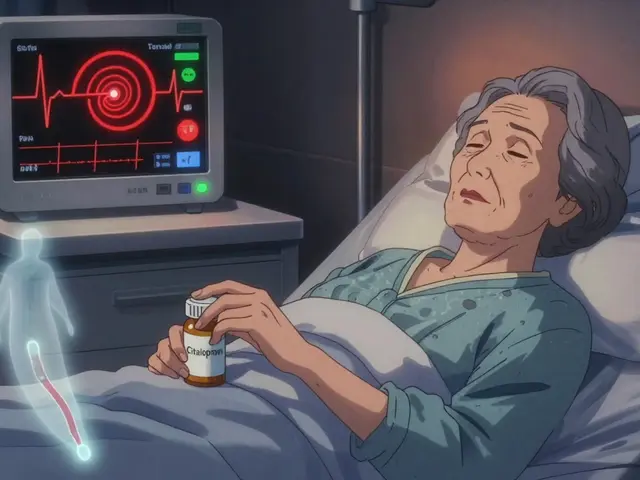
Extended-release formulations add another layer of risk. These pills are designed to release the drug slowly over 12 or 24 hours. A generic manufacturer might use a different "matrix" or filler to achieve this slow release. If that generic version releases the drug slightly faster or slower than the brand, the patient may experience "peaks" of toxicity or "troughs" where they have no protection against seizures.

The Psychological and Practical Fallout
The risk isn't just chemical; it's psychological. Anxiety is a known seizure trigger for many people. When a pharmacy changes a medication's color, shape, or imprint-common during generic swaps-it can cause significant distress. Imagine a patient with cognitive impairments or memory loss who suddenly sees a blue pill instead of a white one. The resulting confusion and panic can, in some cases, actually trigger the very seizures the medication is meant to prevent.
We also see a "switchback" phenomenon. Research in the journal Epilepsia showed that patients are significantly more likely to switch back from a generic to a brand-name version of an antiseizure drug (27%) compared to other types of medications (12%). This suggests that both doctors and patients are noticing a real-world difference in how these drugs perform, regardless of the official "bioequivalent" label.
Best Practices for Patients and Caregivers
If you or a loved one are taking Antiseizure Medications (ASMs) and are worried about a generic swap, don't leave it to chance. Here is a practical approach to managing your medication safely:
- Audit Your Current Meds: Write down the exact name, manufacturer, and dosage form of your current medication. If it's a brand name, note that specifically.
- Communicate with Your Neurologist: Ask your specialist if you are a "medically complex" patient. If you have a history of breakthrough seizures or are on a strict regime, your doctor can write "Dispense as Written" (DAW) on the prescription. This instructs the pharmacist not to substitute the brand for a generic.
- Monitor the Transition: If a switch is necessary due to cost, do it under medical supervision. Keep a detailed seizure diary for 30 days following the swap, noting any change in seizure frequency, sleep patterns, or mood.
- Check the Excipients: For those on a Ketogenic Diet, be careful. Some generic fillers contain carbohydrates or sugars that can disrupt metabolic balance. Always ask for the list of inactive ingredients.
The Professional Perspective: A Divided House
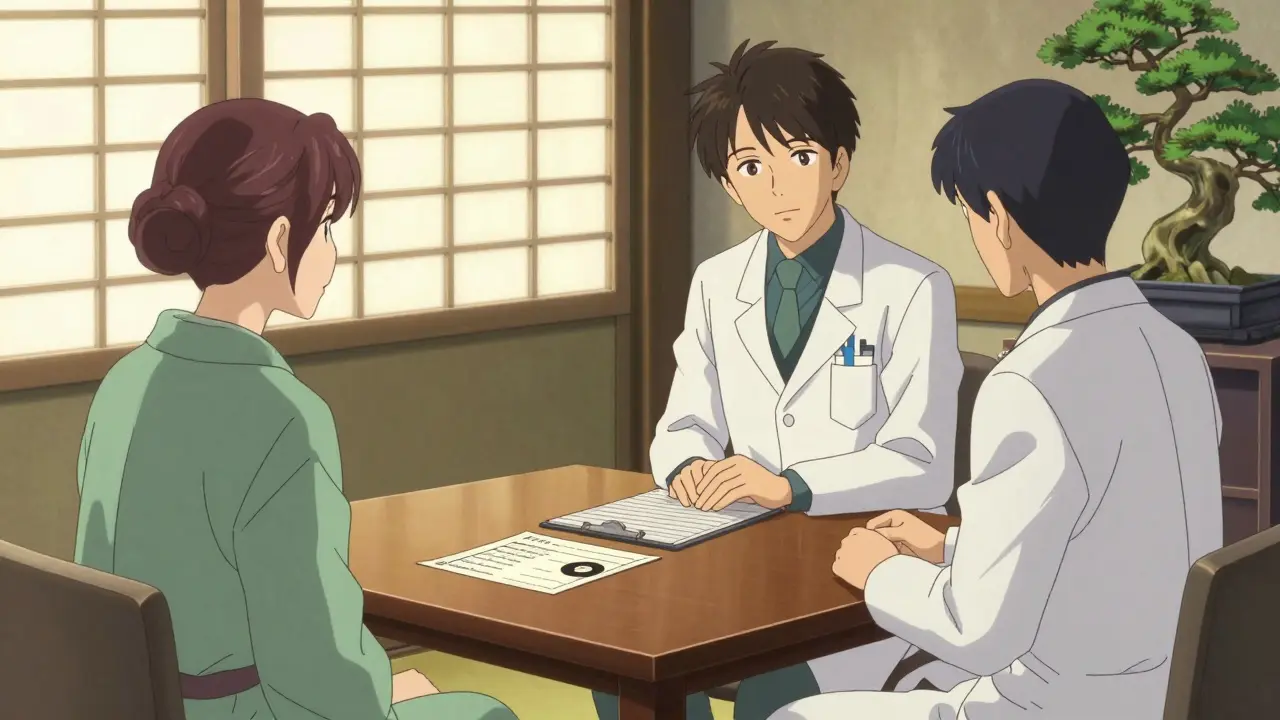
The medical community isn't in total agreement. On one side, the American Epilepsy Society (AES) has suggested that FDA standards are generally appropriate, though they urge caution for the most complex patients. On the other side, practitioners like those at the Montefiore Medical Center argue that for NTI drugs, any variation is too much variation.
In the UK, the MHRA (Medicines and Healthcare products Regulatory Agency) emphasizes that consistency of supply is vital when the cost of failure is a serious clinical event. This highlight is a reminder that while generics save billions of dollars globally-roughly $4.2 billion of the ASM market-the financial saving must be weighed against the individual's clinical risk.
Why does my pharmacy keep changing the generic brand of my seizure meds?
Pharmacies often switch generic manufacturers based on cost, availability, or contracts with wholesalers. While the active ingredient remains the same, the inactive fillers and the exact release mechanism can differ between brands.
Can I legally insist on the brand-name version if my insurance only covers generics?
Yes, you can always request the brand-name version, but your insurance may not pay for it. However, if your doctor provides medical documentation that you have failed on generics (therapeutic failure), your insurance may grant a "prior authorization" to cover the brand-name drug.
What is a "breakthrough seizure" in the context of generic switching?
A breakthrough seizure is a seizure that occurs despite the patient taking their medication as prescribed. When it happens after a generic switch, it may indicate that the generic version is not maintaining the same therapeutic blood level as the previous version.
Are all generic antiseizure meds risky?
No. Many people switch to generics and remain completely stable. The risk is significantly higher for those with "difficult-to-control" epilepsy or those taking drugs with a very narrow therapeutic index.
What should I do if I notice a different pill color or shape?
Immediately contact your pharmacist to confirm that it is the correct medication and dose. Then, notify your neurologist so they can document the change in manufacturer in your medical record.
Next Steps and Troubleshooting
If you are currently experiencing stability on a specific brand, the best move is to proactively ask your doctor for a "Dispense as Written" prescription before your next refill. If you've already been switched and feel "off," don't wait for a seizure to happen. Request a blood test to check your current plasma concentrations of the drug and compare them to your previous levels.
For caregivers of elderly patients or children, simplify the process by using a multi-dose pill organizer. This removes the visual stress of changing pill shapes and helps you spot a pharmacy error before the medication is even administered.







Write a comment