
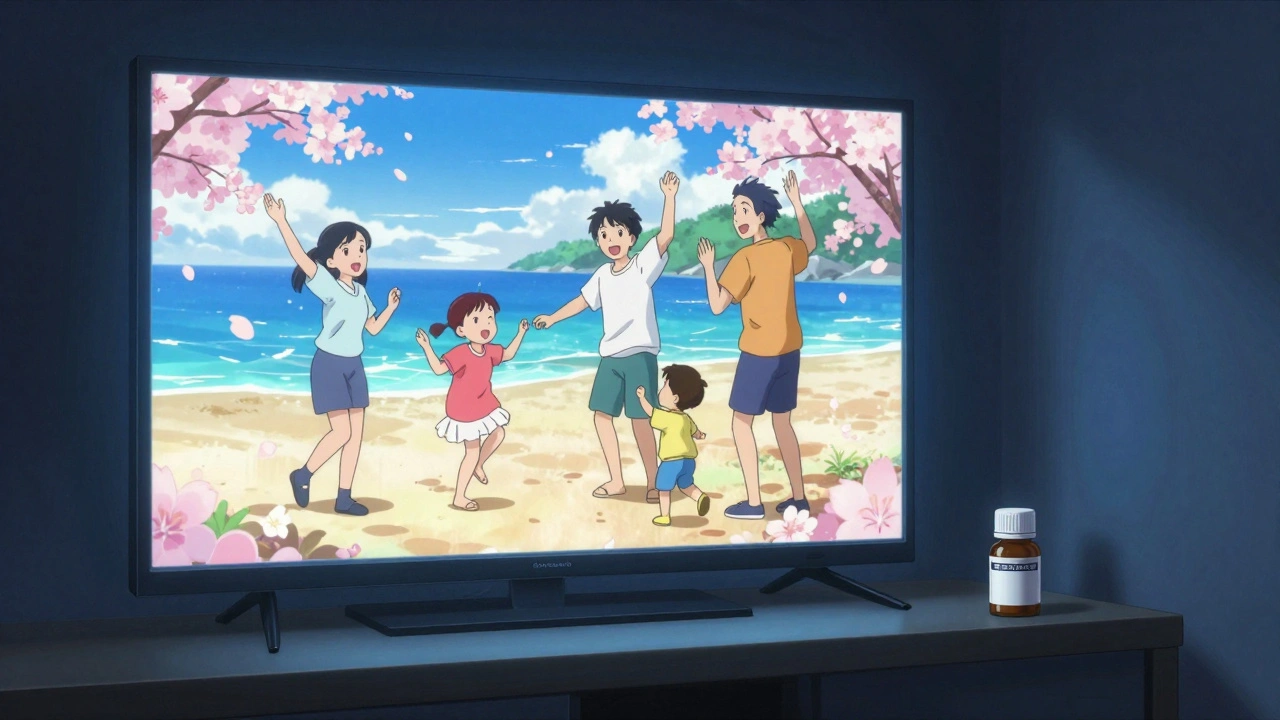
When you see a commercial for a new prescription drug, it’s easy to assume the medicine shown is the best option - especially if it’s shown with sunny beaches, laughing families, and upbeat music. But what you don’t see is the generic version sitting on the pharmacy shelf, just as effective, costing a fraction of the price, and often covered by insurance with no copay. The truth? Advertising doesn’t just sell drugs - it reshapes how people think about what’s actually better for them.
Advertising Creates a Brand Bias
In the U.S., pharmaceutical companies spend over $6 billion a year on direct-to-consumer (DTC) ads for prescription drugs. That’s more than ten times what they spent in 1996. And it’s working. Patients who see these ads are far more likely to ask their doctor for that specific drug - even if it’s not the right choice.Here’s the catch: the drugs shown in ads are almost always brand-name versions. You rarely see a commercial for a generic version of Lipitor, Metformin, or Sertraline. Why? Because generics don’t have the marketing budget. They can’t afford the actors, the music, the storylines. So when patients hear about a drug from an ad, they think it’s newer, stronger, or more advanced - even though the active ingredient in the generic is identical.
Studies show that when patients request a branded drug by name, doctors fill those requests about 70% of the time - even when the doctor believes a generic would be just as effective. One study found that 75 out of 108 patient requests for advertised treatments were for interventions the physician considered inappropriate. That’s not patient empowerment - that’s marketing influencing medical decisions.
The Spillover Effect: Ads Boost Generics, But Not the Way You Think
It’s tempting to think that if ads drive more people to ask for a drug, then generics must benefit too. And they do - but not because people are choosing them. It’s because of something called the spillover effect.When someone sees an ad for Lipitor, they ask their doctor for Lipitor. The doctor, knowing the patient wants something in the statin class, might prescribe a generic atorvastatin instead. The patient gets a cheaper drug, but they didn’t ask for it. They didn’t choose it. They just got the generic because the branded version was off-limits or too expensive.
This means advertising increases overall drug use - including generics - but not because people understand or prefer them. It’s accidental. The real winner? The brand-name drug company, which gets the ad exposure, the brand recognition, and the long-term loyalty. The generic manufacturer gets the sale, but no credit.
Ads Don’t Teach - They Distort
Pharmaceutical ads are designed to make you feel something, not think. They show happy people hiking, dancing, or playing with grandchildren. The side effects? Mentioned in a fast-paced voiceover you can barely hear. The FDA found that even after seeing an ad four times, most people still couldn’t accurately recall the risks. Benefit information stuck better - but even that faded quickly.Meanwhile, the fine print on generic drugs? It’s the same. But since no one sees ads for them, people assume they’re less proven, less safe, or less effective. That’s not science. That’s perception. And perception is shaped by what you see - not what you read in a pamphlet.
One study analyzed 230 drug ads and found that scenes with outdoor imagery, smiling faces, and slow-motion movement lasted longer than any mention of side effects. The emotional hook was the main message. The medical facts? Background noise.
Generics Are Just as Good - But They Don’t Look Like It
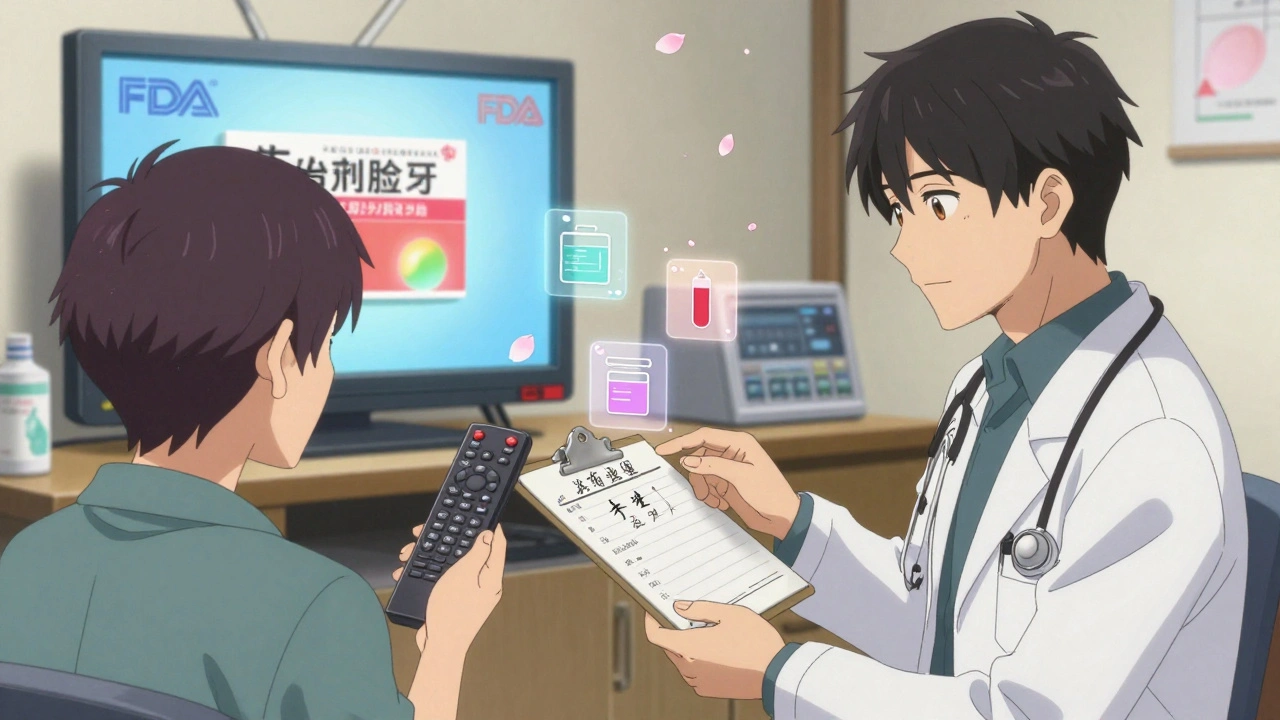
Let’s be clear: generics are not inferior. They’re required by law to have the same active ingredient, strength, dosage form, and route of administration as the brand-name drug. They’re tested for bioequivalence. They’re held to the same FDA standards.But because they’re marketed differently - or not at all - they’re seen as the “cheap option.” And in healthcare, “cheap” often means “less trustworthy.” This bias affects both patients and doctors. One study showed that even physicians who knew generics were equivalent still prescribed branded drugs more often when patients requested them - not because of clinical reasoning, but because of social pressure.
Imagine two patients: one asks for a drug they saw on TV. The other says, “I need something for high blood pressure.” The first gets the branded version. The second gets the generic. Which one is more likely to stick with the treatment? Surprisingly, the one who started because of an ad. They’re less likely to take their meds consistently. Why? Because they didn’t choose the drug for its medical value - they chose it because it looked good on TV.
Who Pays the Price?
The financial cost is huge. For every dollar spent on DTC advertising, drug companies get over $4 back in sales. Much of that comes from patients paying more for brand-name drugs instead of generics. Insurance companies and taxpayers foot the bill too - especially when Medicare and Medicaid cover expensive branded drugs that have cheaper, equally effective alternatives.And the health cost? It’s real. When patients start treatment because of an ad but don’t stick with it, their condition doesn’t improve. They might end up in the ER, on more expensive treatments, or with complications that could’ve been avoided. Advertising doesn’t just drive spending - it drives unnecessary risk.
Why Does This Still Happen?
The U.S. and New Zealand are the only two countries that allow direct-to-consumer advertising of prescription drugs. Everywhere else, ads are limited to doctors or banned entirely. Why? Because regulators here decided in 1997 that patients had a right to know about new treatments. But they didn’t account for how marketing would twist that right into a demand for expensive drugs.Today, the rules haven’t caught up with the reality. Ads still don’t have to show the generic alternative. They don’t have to explain why a cheaper option might be better. And patients still walk into clinics with a name in their head - not a question.
What Can You Do?
You don’t need to stop watching TV. But you can change how you respond.- When you hear a drug name on TV, ask: “Is there a generic version?”
- Ask your doctor: “Is this the best option for me - or just the most advertised?”
- Check your pharmacy’s price list. Generics are often under $10 a month.
- Don’t assume newer = better. Many generics have been used safely for decades.
Doctors aren’t mind readers. If you don’t bring up generics, they’ll assume you want the brand. Be the one to ask. Be the one to question. You’re not being difficult - you’re being informed.
The Bigger Picture
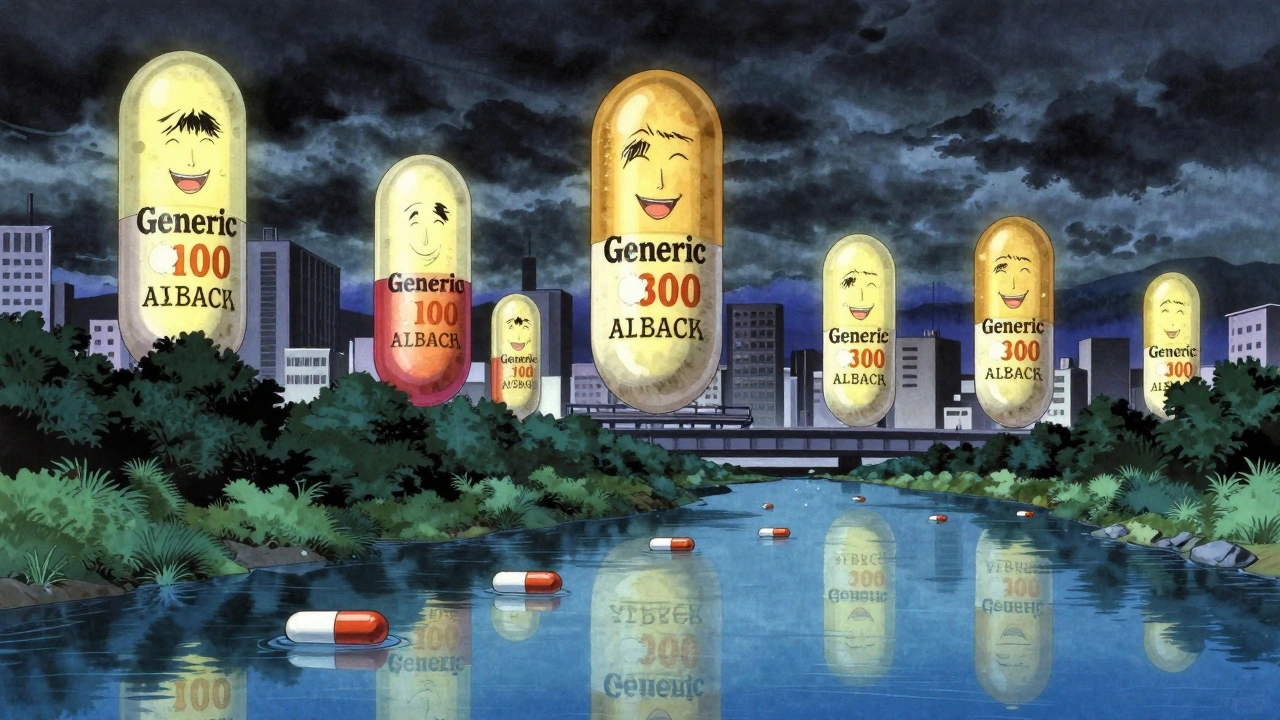
This isn’t just about pills. It’s about how marketing shapes trust. When we let ads tell us what’s good for us, we give up control. We start thinking in terms of brands, not biology. We start believing that effectiveness comes from advertising dollars, not clinical evidence.Generics work. They’ve been proven. They’re safe. They’re affordable. But they don’t have a commercial. And in a world where visibility equals value, that’s a problem.
The solution isn’t to ban ads. It’s to demand balance. If a drug is advertised, show the generic alternative. If a benefit is shown, show the risk. If a patient is shown smiling, show the cost - in dollars and in health.
Until then, the real winners aren’t the patients. They’re the companies that spend billions to make us think we need something we don’t.
Why aren’t generic drugs advertised like brand-name drugs?
Generic drug manufacturers rarely advertise directly to consumers because they don’t have the same profit margins as brand-name companies. Brand-name drugs have patent protection that lets them charge high prices - money that can be spent on ads. Once a drug goes generic, dozens of companies make it, profits drop, and there’s no single brand to promote. Without a brand to build, there’s little incentive to spend on advertising.
Do generic drugs work as well as brand-name drugs?
Yes. By law, generic drugs must contain the same active ingredient, strength, dosage form, and route of administration as the brand-name version. They must also meet the same FDA standards for safety, effectiveness, and quality. Bioequivalence studies prove they work the same way in the body. The only differences are in inactive ingredients (like fillers or dyes), which don’t affect how the drug works.
Can advertising cause people to take drugs they don’t need?
Yes. Studies show that patients who request drugs after seeing ads are more likely to receive prescriptions - even when doctors believe the treatment isn’t appropriate. One study found that 69% of such requests were for interventions physicians considered unnecessary. Advertising can create demand where none existed, leading to overprescribing and unnecessary health risks.
Why do doctors prescribe branded drugs when generics are available?
Doctors often prescribe branded drugs because patients ask for them - not because they’re medically superior. Research shows that when patients name a drug they saw on TV, doctors comply about 70% of the time. Some doctors also worry that patients will be dissatisfied with generics, or that insurance won’t cover them. Others may be influenced by marketing materials provided by drug reps, even if unintentionally.
Are there any benefits to direct-to-consumer drug advertising?
Some argue that DTC ads raise awareness of underdiagnosed conditions, like depression or high cholesterol, and encourage people to seek help. In rare cases, this leads to earlier treatment. But the benefits are small compared to the harms: inflated drug prices, inappropriate prescriptions, and misleading information. The same awareness could be achieved through public health campaigns without pushing expensive branded drugs.
How can I find out if a generic version of my medication exists?
Ask your pharmacist or doctor. You can also check the FDA’s online database, “Orange Book,” which lists approved generic equivalents. Many pharmacies also have price comparison tools on their websites. If your prescription is for a brand-name drug that’s been on the market for more than 10 years, there’s almost certainly a generic available - and it’s likely cheaper.
If you’re on a long-term medication, don’t assume your current prescription is the best choice. Ask about generics. Compare prices. Talk to your pharmacist. You might save hundreds - or even thousands - a year. And you’ll be making a decision based on science, not commercials.


Arun Kumar Raut
8 Dec, 2025
Really glad someone put this out there. I grew up in India where generics are the norm, and I never thought twice about them. Came to the US and was shocked people pay $200 for a pill when the same thing costs $5. No magic in the packaging. Just marketing.
Doctors here act like they’re selling cars, not medicine. Ask for the generic. It’s not a compromise. It’s the same drug.
precious amzy
9 Dec, 2025
One must interrogate the epistemological underpinnings of pharmaceutical consumerism. The commodification of health via affective advertising constitutes a neo-liberal biopower apparatus wherein the subject is rendered docile through emotional manipulation. The generic, by virtue of its anonymity, becomes a Lacanian void - a symbol of systemic erasure. One cannot simply ‘ask for it’ - one must dismantle the symbolic order that privileges spectacle over substance.
Carina M
10 Dec, 2025
This is exactly why America is collapsing. People don’t understand that ‘cheap’ means ‘inferior.’ If you’re not willing to pay for quality, you deserve to suffer. Generics are for people who can’t afford to be healthy. And if your doctor prescribes one? They’re either lazy or bribed. I pay for brand-name because I expect results - not some chemical that’s been sitting in a warehouse since 2012.
Maria Elisha
12 Dec, 2025
Ugh I’m so tired of this. I just want my pill to work. I don’t care if it’s blue or white. But everyone acts like it’s a moral choice. Just give me the cheap one already.
Angela R. Cartes
14 Dec, 2025
OMG YES. I asked my doc for the generic for my anxiety med and he looked at me like I asked for tap water instead of champagne 😭
Turns out it’s the same thing. I saved $180/month. My bank account is crying happy tears 💸❤️
Andrea Beilstein
15 Dec, 2025
It’s not about the drug it’s about the story we tell ourselves
Brand names are fairy tales with side effects
Generics are the quiet truth no one wants to hear
We worship the shiny thing even when the dull thing works better
Maybe we’re not sick from the illness
Maybe we’re sick from the myth
om guru
16 Dec, 2025
As a physician in India I have prescribed generics for over 25 years. The efficacy is identical. The cost difference is not a tradeoff. It is a liberation. Patients in the United States are being exploited by a system that confuses marketing with medicine. Ask your pharmacist. Ask your doctor. Demand transparency. Your health is not a product.
Ryan Brady
16 Dec, 2025
Why do we even let foreign countries make our medicine? If this was American-made brand name it wouldn’t be a problem. Generic = made in China. That’s why people don’t trust it. We need to bring pharma back to America. Then we can talk about ads. Until then stop pushing Chinese pills on us.