
When people misuse cough syrup, an over-the-counter or prescription medication meant to relieve coughs, often containing dextromethorphan or codeine. Also known as DXM abuse, it’s not just a myth—it’s a growing problem with real health consequences. Many think because it’s sold in drugstores or pharmacies, it’s safe. But when taken in large doses, cough syrup can cause hallucinations, loss of coordination, rapid heart rate, and even breathing failure. It’s not recreational—it’s risky.
One of the most common ingredients in abused cough syrups is dextromethorphan, a cough suppressant that, at normal doses, is harmless. Also known as DXM, it becomes dangerous when someone takes 10 to 20 times the recommended amount. At those levels, it acts like a dissociative drug, similar to ketamine or PCP. Users report out-of-body experiences, distorted vision, and slurred speech. But behind the high is a real threat: liver damage from acetaminophen (often mixed in), seizures, and long-term brain changes. The FDA has warned about this for years, yet it still happens—especially in schools and online communities where it’s glamorized.
Another hidden danger is codeine, an opioid sometimes found in prescription cough syrups. Unlike DXM, codeine is addictive and regulated. People who abuse it aren’t just chasing a high—they’re building a dependency. That’s why pharmacies track sales, why some states require prescriptions, and why doctors now avoid prescribing codeine cough syrup for teens. Mixing it with alcohol or other depressants? That’s a recipe for overdose. Even one bad night can end in the ER.
What makes cough syrup abuse different from other drug problems? It’s quiet. No needles. No street deals. Just a bottle on the shelf. Parents don’t always recognize the signs—empty bottles in the trash, sudden mood swings, poor school performance, or secretive behavior. Teens might not even realize they’re addicted. They think they’re just taking "a little extra" to feel better. But tolerance builds fast. And when the high fades, the craving stays.
If you’re worried about someone, you’re not alone. Many families have faced this quietly. The good news? Help exists. Pharmacists can flag suspicious purchases. Doctors can switch prescriptions to safer alternatives. And support groups offer real tools—not just warnings. You don’t need to wait for a crisis. Talking early, checking medicine cabinets, and knowing the signs can make all the difference.
Below, you’ll find real stories and expert advice on how to spot abuse, what medications are most at risk, and how to protect yourself or someone you care about. These aren’t theoretical guides—they’re based on cases, pharmacy reports, and patient safety data. What you read here could help prevent a tragedy.
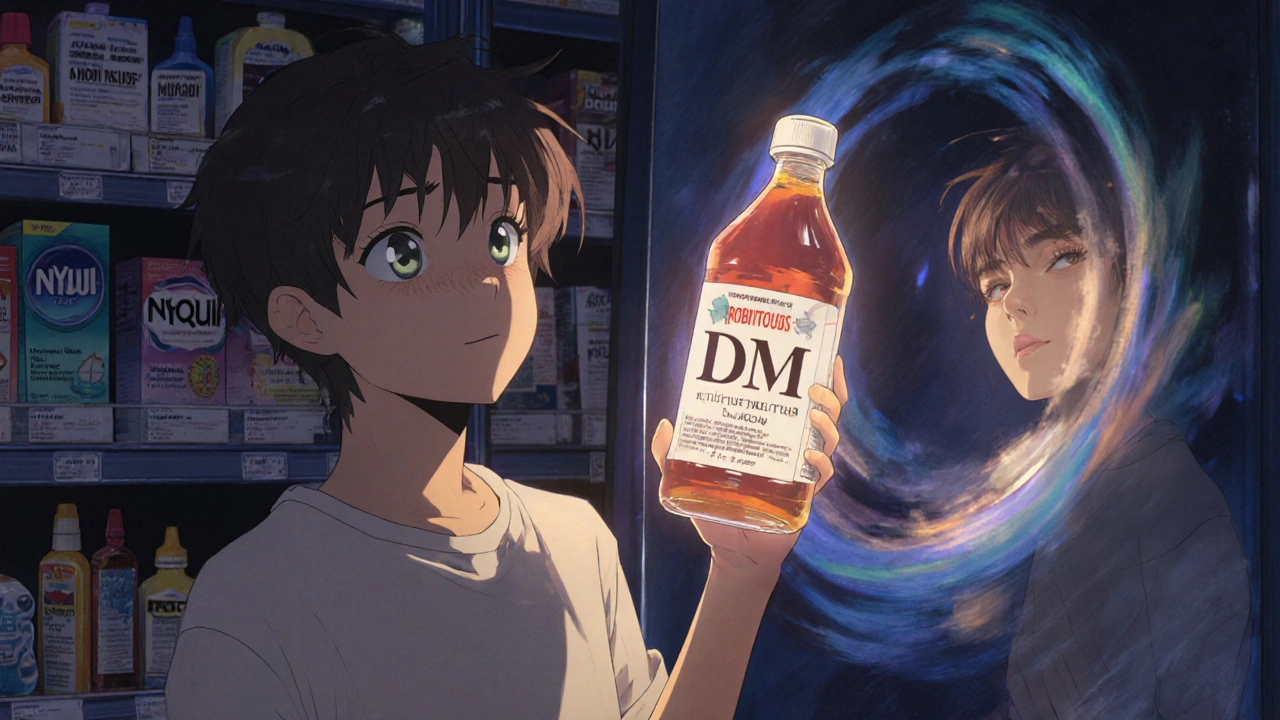
DXM abuse happens when people take high doses of over-the-counter cough syrups to get high, leading to hallucinations, loss of coordination, and even death. Learn how it works, why teens use it, and what to do if someone overdoses.
CONTINUE READING
An overview of the safety risks associated with DPP-4 inhibitors, focusing on the link between gliptins and acute pancreatitis, alongside guidance for monitoring and alternatives.





© 2026. All rights reserved.