
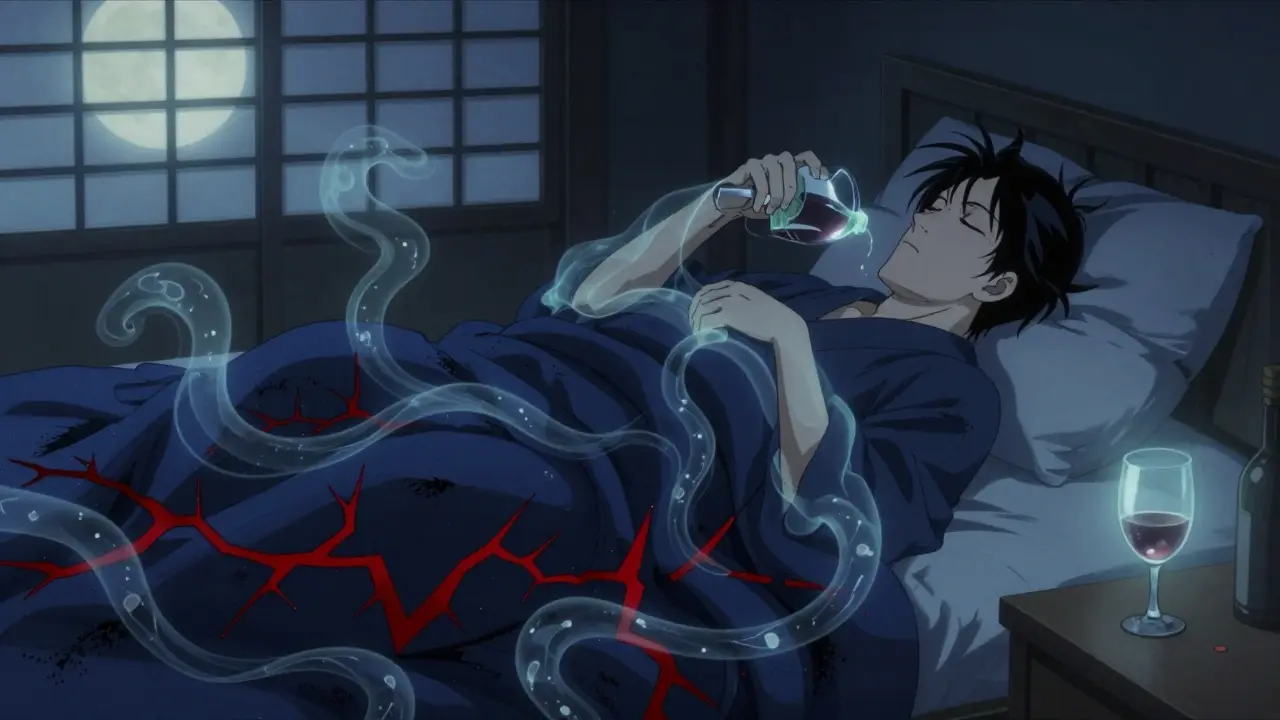
Many people believe a nightcap helps them sleep better. It’s a common habit: a glass of wine after dinner, a beer before bed, or a shot to unwind. But here’s the truth - alcohol doesn’t improve sleep. It sabotages it. And the damage doesn’t end when you turn off the light.
How Alcohol Tricks Your Brain Into Falling Asleep
Alcohol acts like a sedative. It slows down your central nervous system, which makes you feel drowsy. That’s why you might fall asleep faster after drinking. But this isn’t real sleep. It’s a chemical shutdown. Your brain isn’t cycling through the natural stages of rest - it’s being forced into deep sleep too quickly. Studies show that within 30 to 60 minutes of drinking, alcohol increases deep sleep (N3 stage) in the first half of the night. This might feel like a good thing - you’re sleeping hard. But deep sleep isn’t the only stage your body needs. The problem starts when your liver starts breaking down the alcohol, usually around 3 a.m. That’s when your brain goes into reverse. As alcohol leaves your system, your brain tries to wake up. It overcompensates. You go from deep sleep to light, restless sleep. Your heart rate spikes. You wake up more often. You might not remember it, but you’re tossing and turning. One study found that people who drank alcohol before bed had 19 fewer minutes of total sleep and 4% lower sleep efficiency - meaning more time spent awake in bed.Why You Wake Up at 3 a.m. (Even If You’re Not a Light Sleeper)
That 3 a.m. wake-up? It’s not coincidence. It’s chemistry. Alcohol increases adenosine in your brain at first - the chemical that builds up when you’re tired and makes you sleepy. But when alcohol is metabolized, adenosine levels crash. Your brain panics. It tries to reset. The result? A surge of wakefulness, especially during the second half of the night. This isn’t just about feeling tired. Your sleep architecture gets scrambled. The most important part of sleep for memory, emotion, and brain repair - REM sleep - gets hit hard. During the first half of the night, alcohol can cut REM sleep by up to 50%. Then, as alcohol clears, your brain tries to make up for it. You get a rebound of REM sleep later, often with vivid, stressful dreams or nightmares. That’s why you might wake up feeling emotionally drained, even if you slept for eight hours. A 2023 study tracking 31 adults found that even moderate alcohol consumption - about 5 drinks for men, 4 for women - led to measurable changes: increased heart rate, less deep sleep, and more nighttime awakenings. People didn’t feel dramatically worse the next day, but their brains were working harder just to stay alert.Alcohol Makes Sleep Apnea Worse - Even If You Don’t Snore
If you think you don’t have sleep apnea because you don’t snore loudly, think again. Alcohol relaxes the muscles in your throat. That includes the ones holding your airway open. When those muscles go limp, your airway narrows or collapses. That’s when breathing stops - even briefly - during sleep. Each standard drink you have before bed increases your apnea-hypopnea index (AHI) by about 20%. That means more pauses in breathing, lower oxygen levels, and more stress on your heart. A 2022 meta-analysis found that people who drink 2 to 4 drinks a day have a 25% higher risk of moderate-to-severe sleep apnea. Those who drink five or more? Their risk jumps 51%. The American Thoracic Society says people with sleep apnea should avoid alcohol entirely within three hours of bedtime. Even one drink can drop oxygen levels by 3 to 5 percentage points during sleep. That’s not just uncomfortable - it’s dangerous for your heart and brain.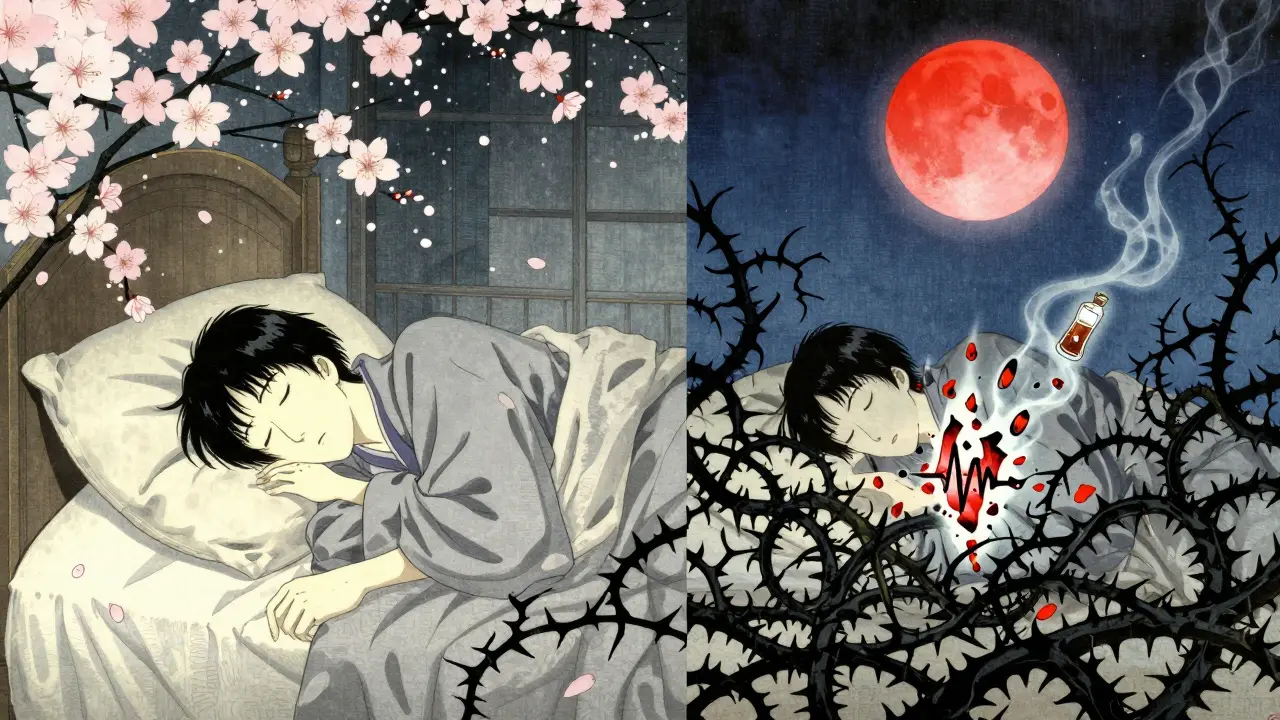
Next-Day Effects: You’re Not Just Tired - You’re Slower
Most people think if they slept “long enough,” they’re fine. But sleep quality matters more than quantity. After drinking, you get 15% less slow-wave sleep - the deepest, most restorative stage. Your brain doesn’t get the chance to clear toxins, repair cells, or strengthen memories. The result? Next-day performance drops. Studies show a 12.7% slower cognitive processing speed and a 9.4% drop in working memory. That’s like forgetting where you put your keys, missing a detail in an email, or struggling to focus in a meeting. It gets worse. Your emotional control takes a hit. A 2022 study found people were 31% more reactive to negative stimuli after drinking before bed. A rude comment, a traffic jam, a child’s tantrum - all feel more intense. Your brain isn’t regulating emotions properly because REM sleep, which helps process feelings, was disrupted. And here’s the sneaky part: you often don’t notice it. The same study that measured sleep disruption found participants didn’t feel significantly worse the next morning. But their test scores told a different story. Your brain is compensating - but it’s running on fumes.Alcohol and Insomnia: A Dangerous Loop
If you’re using alcohol to fall asleep, you’re setting yourself up for long-term trouble. A 2023 study in Sleep Medicine Reviews found that people who regularly drink before bed have a 38% higher risk of developing chronic insomnia. It’s a cycle. You drink to sleep. You wake up fragmented. You feel tired the next day. So you drink again the next night to feel drowsy. Over time, your brain stops responding to alcohol’s sedative effects. You need more to get the same result. And your natural sleep drive weakens. The worst part? This isn’t just about sleep. A 36-year twin study showed a strong link between heavy drinking and poor sleep quality - especially in people in their 30s. The connection only got stronger over time. For people recovering from alcohol use disorder, sleep problems can last for months. Up to 70% of those in early recovery struggle with insomnia. And poor sleep is one of the biggest triggers for relapse.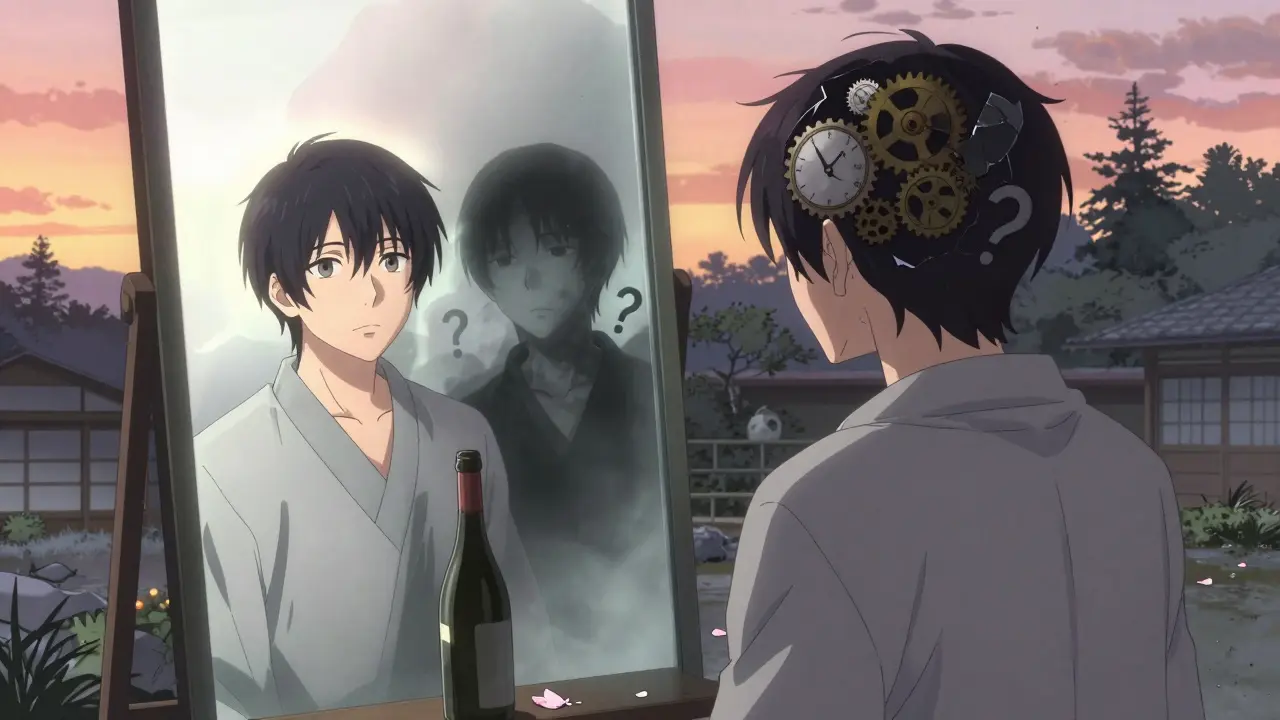
What About One Drink? Is It Really That Bad?
Even one standard drink - a 12-ounce beer, a 5-ounce glass of wine, or a 1.5-ounce shot - reduces REM sleep by 9.3% and increases sleep fragmentation by 11.7%. That’s not a small effect. That’s enough to disrupt your brain’s repair cycle. The European Sleep Research Society reviewed over 50 studies and found no evidence that any amount of alcohol improves sleep quality. Not one. Not even a sip. The myth of the “nightcap” is just that - a myth. It’s not helping. It’s stealing from you.What Should You Do Instead?
If you want better sleep, stop using alcohol as a sleep aid. Here’s what actually works:- Stop drinking at least 3 hours before bed. Give your body time to process it.
- Try a warm, non-caffeinated drink like chamomile tea or warm milk.
- Keep your bedroom cool, dark, and quiet.
- Get outside in natural light during the day - it helps regulate your sleep-wake cycle.
- If you’re stressed, try 10 minutes of breathing exercises or journaling before bed.
It’s Not About Willpower - It’s About Biology
You’re not lazy. You’re not broken. You’re just caught in a biological trap. Alcohol tricks your brain into thinking it’s helping, but it’s actually stealing the rest you need. Your body doesn’t need alcohol to sleep. It needs consistency, calm, and time. The best thing you can do for your sleep - and your long-term health - is to let alcohol stay out of your bedtime routine. The next time you reach for a drink before bed, ask yourself: are you trying to sleep - or just escape the day? Your brain deserves better.Does alcohol help you sleep better?
No. While alcohol may help you fall asleep faster, it disrupts the quality of your sleep. It reduces REM sleep, increases nighttime awakenings, and causes fragmented sleep in the second half of the night. Even one drink can reduce REM sleep by nearly 10% and increase sleep fragmentation by over 11%.
Can alcohol cause sleep apnea?
Yes. Alcohol relaxes the muscles in your throat, making it easier for your airway to collapse during sleep. Each standard drink before bed increases your apnea-hypopnea index (AHI) by about 20%. People who drink 2-4 drinks daily have a 25% higher risk of moderate-to-severe sleep apnea, and those who drink five or more have a 51% higher risk.
Why do I wake up at 3 a.m. after drinking?
Alcohol is metabolized at about one drink per hour. If you drink at 10 p.m., your body clears most of it by 3 a.m. At that point, your brain rebounds from the sedative effect, triggering increased wakefulness, heart rate spikes, and lighter sleep. This is why you wake up feeling restless, even if you slept for hours.
Does alcohol affect next-day performance?
Yes. Even if you don’t feel tired, your brain is impaired. Studies show a 12.7% drop in cognitive processing speed and a 9.4% reduction in working memory after drinking before bed. Emotional reactivity also increases by over 30%, making you more prone to stress and irritability.
How long does it take for sleep to improve after quitting alcohol?
For non-dependent drinkers, sleep architecture can start improving within a few days. But for those with alcohol use disorder, it can take 3 to 6 months for deep sleep and REM cycles to return to normal. Insomnia during early recovery is common and is a major predictor of relapse.
Is it safe to drink alcohol if I have sleep apnea?
No. The American Thoracic Society advises complete avoidance of alcohol within three hours of bedtime for anyone with sleep apnea. Even small amounts can increase apnea events by 20-30% and lower blood oxygen levels during sleep, putting extra strain on your heart and brain.



Benjamin Glover
16 Dec, 2025
Alcohol and sleep? Please. I’ve seen Brits pass out on sofas with a half-empty glass of wine and call it ‘rest.’ It’s not rest-it’s chemical surrender. Your brain doesn’t get to recover. It just gets drugged into silence. Wake up at 3 a.m.? That’s your liver throwing a tantrum. Stop romanticizing it.
Nupur Vimal
16 Dec, 2025
I used to drink wine every night to chill after work now I dont even touch it and my sleep is like a baby again no more waking up at 3am no more weird dreams my brain actually feels rested like really rested like i did in college before i knew what alcohol was
RONALD Randolph
18 Dec, 2025
Let me be perfectly clear: Alcohol does NOT improve sleep-period. The notion that it does is a dangerous, scientifically baseless myth propagated by bar stools and late-night infomercials. Your REM cycle is obliterated. Your oxygen saturation plummets. Your autonomic nervous system is thrown into chaos. And you wonder why you feel like a zombie at 10 a.m.?
One drink? Still a disaster. Two? Catastrophic. Three? You’re medically negligent. The data is irrefutable. Stop lying to yourself.
Mike Nordby
18 Dec, 2025
This is one of the most thorough and well-sourced breakdowns I’ve read on the subject. The 3 a.m. rebound effect is rarely explained clearly, and the connection between alcohol-induced hypoxia and cardiovascular strain is critical for public awareness. I’d love to see this data visualized in a public health campaign.
John Samuel
18 Dec, 2025
Alcohol is the silent thief of rest. 🕳️ It doesn’t just steal your REM-it steals your future self. The version of you that wakes up sharp, calm, and emotionally resilient. The version that doesn’t snap at the barista because their coffee’s too hot. The version that remembers birthdays, finishes projects, and holds space for loved ones. You’re not just drinking a glass of wine-you’re auctioning off your brain’s repair shop.
One sip. One night. One less version of you. Choose wisely.
Sai Nguyen
19 Dec, 2025
People in the West think they’re sophisticated for drinking wine at dinner. In my country, we know better. We drink tea. We breathe. We sleep. No chemicals. No excuses. Your sleep is not a party. Stop treating it like one.
Lisa Davies
19 Dec, 2025
Nupur, I feel you!! 🙌 I quit alcohol after my third 3 a.m. panic attack and honestly? My anxiety dropped 80%. I didn’t realize how much my ‘nightcap’ was making me feel like a nervous wreck the next day. I started reading in bed with chamomile tea instead-best decision ever. You’re not alone, and your brain is already thanking you. 💛
Melissa Taylor
20 Dec, 2025
This post didn’t just inform me-it changed my routine. I used to think I was ‘just relaxing.’ Turns out, I was sabotaging my mental clarity and emotional stability. I’ve been alcohol-free before bed for 11 days now. I’m not perfect, but I’m sleeping deeper, waking up calmer, and actually remembering my dreams-good ones, not nightmares. Thank you for the science, not the shaming. This is the kind of truth that heals.